
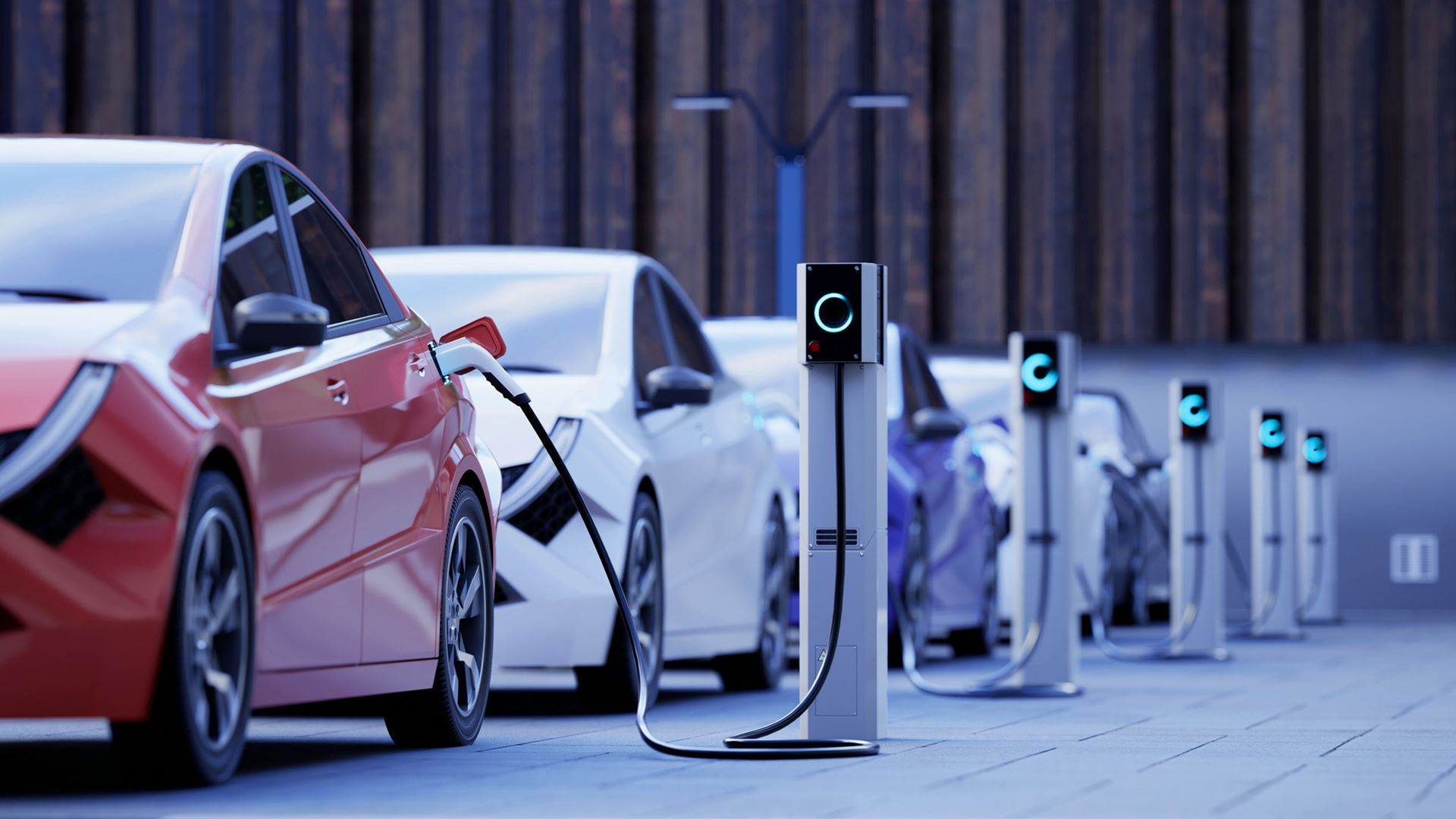
The EU has not yet introduced any binding regulations for the full electrification of company car fleets by 2030, but many companies are already forging ahead with the transition – with notable success.
Progress seems slow in the electrification of mobility. The reasons are well-documented: high prices, underdeveloped charging infrastructures and a general sense of uncertainty. The electrification of company cars, on the other hand, is taking a very different turn – one that begins with a series of success stories.
Before we get to them, let us recall a quote that caused quite a stir in the spring and seemed to imply a change of course, towards increased political pressure for a swift reduction of greenhouse gas emissions from the transport sector.
“Electric vehicles already account for 15% of EU sales. To grow that, we need to boost demand,” remarked Greek EU Commissioner Tzitzikostas at the press conference of the Industrial Action Plan for the European automotive sector and Decarbonise Corporate Fleets, held in Brussels on 5 March 2025. “So we will start by legislating on corporate fleets, which currently account for around 60% of EU car registrations.Their mileage is higher, and they enter the second-hand market faster than private vehicles, making them an important market segment.”
Not only does Tzitzikostas’ statement come with the threat of further regulations, rules and quotas, it also posits that decisive electrification measures in the well-financed and infrastructurally cohesive company car market – which makes up a large proportion of total traffic — can reduce emissions more quickly than in the relatively fragmented passenger car market.
According to Marc Oliver Prinzing, Chairman of the Board of the German Federal Association for Corporate Mobility (Bundesverband Betriebliche Mobilität e. V. / BBM), around two thirds of all new registrations in Germany are commercial. “After two or three years, these vehicles enter the used car market. This means that the fleets we electrify today are going to increase the proportion of private electric cars tomorrow. That is a powerful lever for change.” He adds: “It is encouraging to see that this is recognised at the political level.”
“In terms of corporate fleets, I would cautiously estimate that 60 per cent or more are in the process of – or have already completed – electrification,” says Marc Oliver Prinzing. “Take our member SAP, for example. They have a plan and are committed to seeing it through.”
Continue reading on Gateway to Automotive.