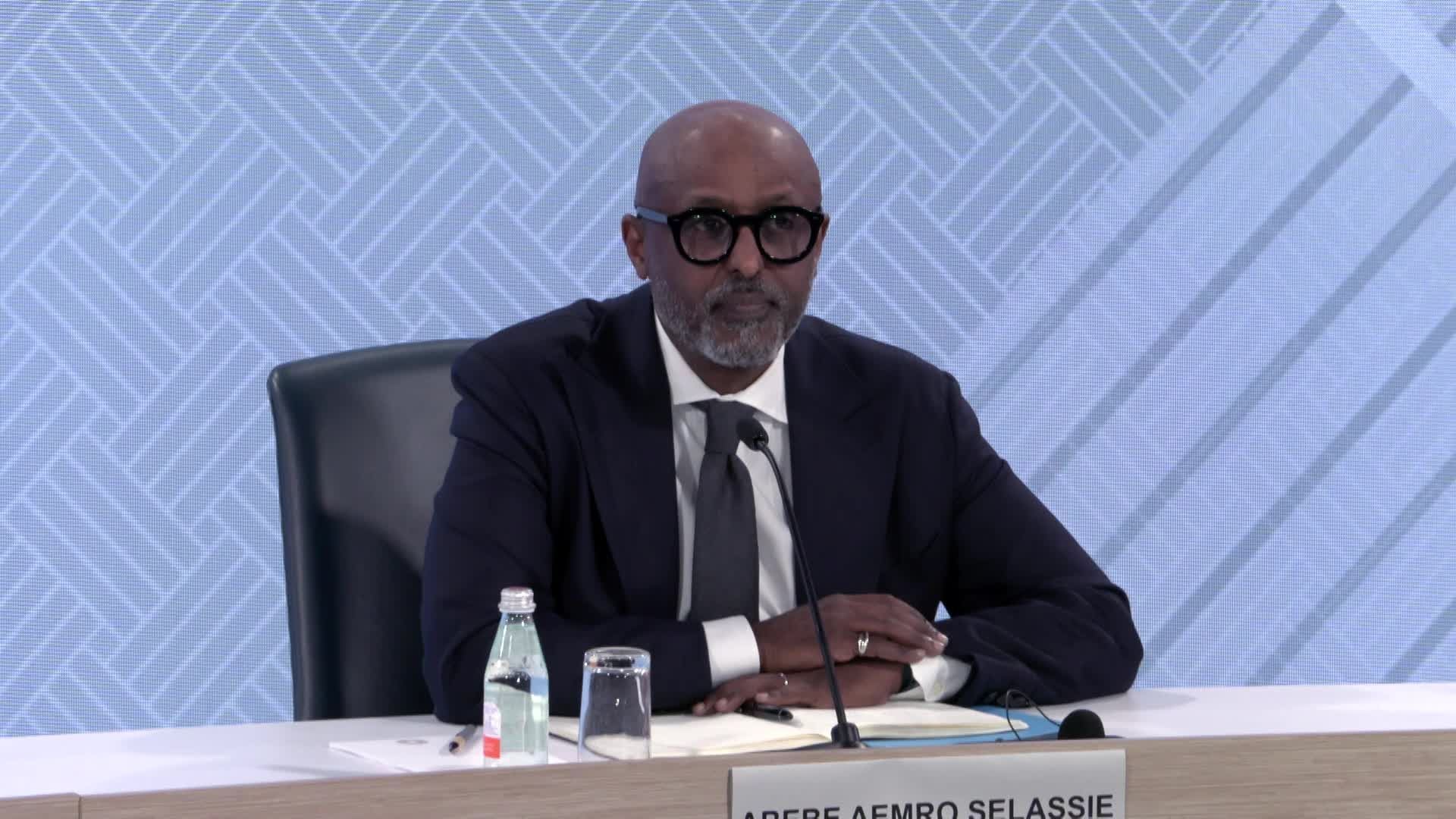
Sub-Saharan Africa entered 2026 with its strongest economic momentum in over a decade, supported by a combination of favorable external conditions and sustained domestic reforms. At the International Monetary Fund’s 2026 Spring Meetings, Abebe Aemro Selassie, Director of the African Department highlighted the region’s 4.5% growth in 2025, with countries such as Ethiopia and Nigeria benefiting from macroeconomic adjustments including exchange rate realignments, subsidy reductions, and strengthened monetary policy frameworks. But even as these efforts contributed to improved fiscal positions, declining inflation, and stronger external balances, gains are coming under renewed pressure from escalating regional conflict.
“The war in the Middle East is a major new external shock. Oil, gas and fertilizer prices have surged. Shipping costs have risen. Trade with Gulf partners has been disrupted. Tourism and remittances are being squeezed. Financial conditions have tightened, particularly for fuel importing countries. We have accordingly revised our growth forecasts down to 4.3% in 2026. Some 0.3 percentage points below our pre-war projection and our expecting median inflation to rise to around 5% by the end of the year. The impact of the shock is highly uneven. Oil exporters will benefit from higher revenue but remain vulnerable to volatility and the risk of procyclical fiscal responses. Oil importers, particularly non-resource rich and fragile states, face deteriorating trade balances, rising living costs and limited buffers. The human consequences are almost certain to be severe. Also important to note, this latest shock comes on the heels of the dislocation caused by the sharp and unprecedented decline in official development assistance, which is compounding all these pressures,” reported Selassie.
This latest shock is unfolding alongside a broader shift in external support conditions, with declines in official development assistance adding to the strain. Unlike previous episodes, where aid flows tended to recover, current pressures appear more structural and are falling hardest on the region’s most vulnerable economies, including low-income countries that rely on external financing for essential services. Against this backdrop, policy priorities come into sharper focus.
“In the near term, countries must keep inflation expectations anchored and do what they can to protect the most vulnerable through targeted, time bound support. Fiscal strategies must balance credibility with flexibility. Oil exporters should treat windfall revenues as temporary and rebuild buffers, and oil importers must try and protect priority social and development spending while mobilizing domestic revenue - and there is real room to do so. Over the medium term, of course, it's accelerating structural reforms that is essential to unlock private sector-led growth, and our second analytical chapter lays out concrete reform options such as improving governance, strengthening business environment and deepening domestic financial markets,” said Selassie.
Beyond immediate policy responses and near-term stabilization, attention is also turning to the drivers of longer-term growth. Persistent challenges such as weak productivity, skill mismatches, and limited private sector dynamism point to the need for deeper structural transformation, particularly in how economies invest in human capital and technology.
“Productivity growth is the long-term prize. The responsible adoption of AI in agriculture, health, public services can be transformative. But realizing that potential also requires upfront investment in reliable electricity supply, digital infrastructure and skills. Let me close by saying that the region has weathered crisis after crisis in recent years, but kept reforming and shown tremendous resilience. These gains are definitely worth defending, and the policy choices that are being made now will determine the extent to which these gains are preserved. As always, the IMF stands ready to support countries with financing, policy advice and capacity development, and we are having discussions with all our countries’ authorities that are here this week on these issues,” concluded Selassie.
To watch the full press briefing, click here: Press Briefing: African Department
To read the full report, click here: Sub-Saharan Africa Outlook