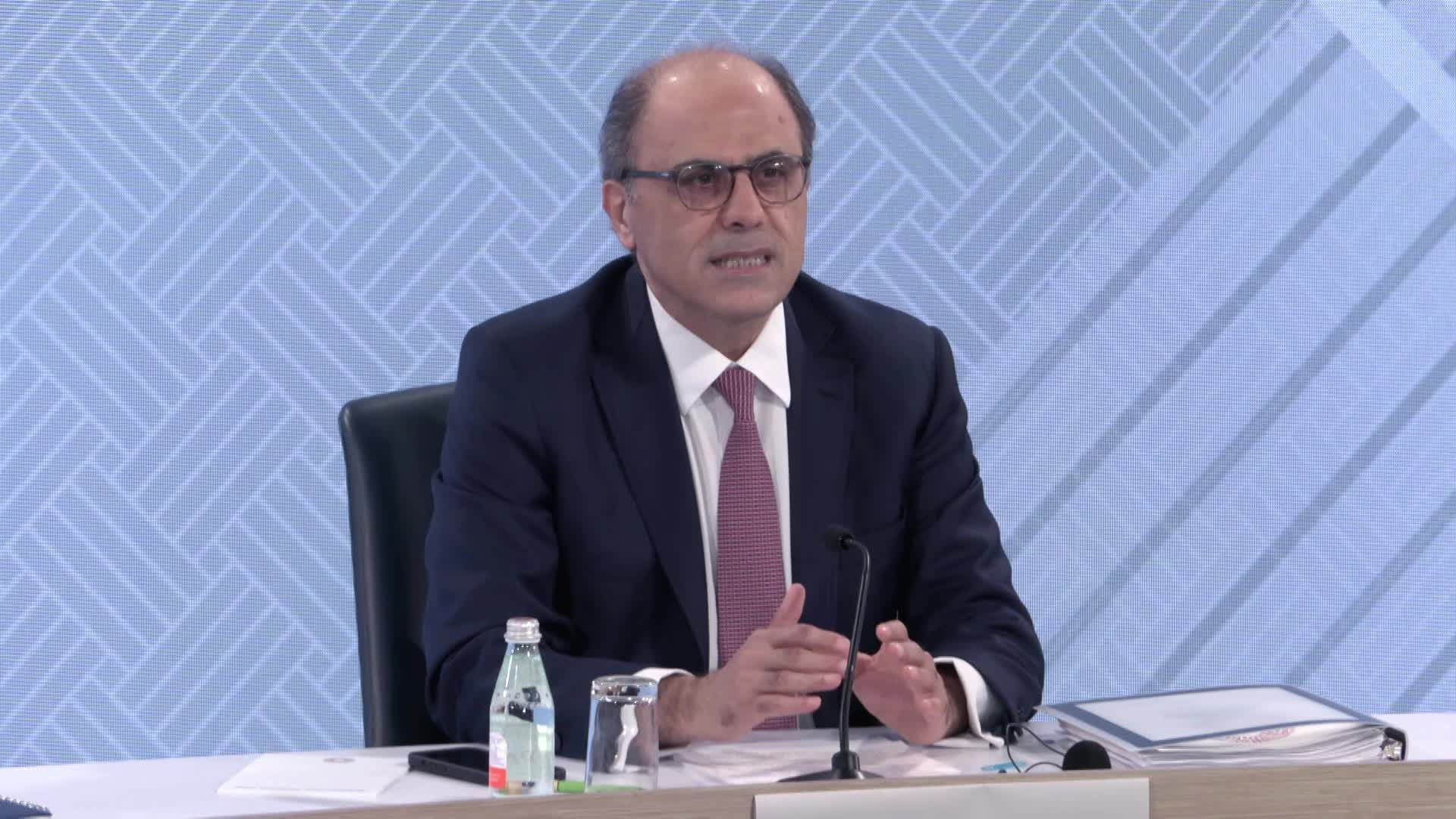
The unfolding war in the Middle East has delivered a severe and multifaceted shock to one of the world’s most critical economic corridors, as detailed in the Internal Monetary Fund’s Middle East and Central Asia Regional Economic Outlook, presented at the 2026 Spring Meetings. By disrupting energy markets, trade routes, and business confidence, the conflict has introduced new pressures across the region. Jihad Azour, Director of the Middle East and Central Asia Department outlined how these developments are reverberating through regional economies.
“The Strait of Hormuz - through which roughly one fifth of the global oil supply and above one quarter of global LNG transit - has come close to a standstill. Strikes and precautionary shutdowns have reduced oil and gas output by an estimated 13 million barrels per day of oil. Brant crude surpassed $100 per barrel, peaking at $118 before retreating following the ceasefire announcement, while European gas prices rose by roughly 60%, exceeding the spike observed after the Russia's invasion of Ukraine. Commodity disruptions extend beyond oil and gas. One third of global fertilizer trade transits through the strait. GCC countries account for over 40% of global sulfur exports and roughly 20% of ammonia and nitrogen fertilizer exports. These price increases translate directly into higher food costs for some of the world's most vulnerable populations and economies across MENA, South Asia and Africa,” said Azour.
The disruption extends well beyond commodities, affecting services, logistics, and financial conditions across the region. Air traffic has collapsed, shipping routes have lengthened, and insurance costs have surged, weakening supply chains and raising the cost of trade. Financial markets have also reacted with wider sovereign spreads, capital outflows, and tighter borrowing conditions, particularly where policy space was already limited. Taken together, these pressures are now feeding through to growth and reversing earlier momentum, with implications becoming clearer in the regional outlook.
“Prior to the conflict, the MENAP region was one of the most promising trajectory: growth gaining traction, inflation easing, and the non-oil sector performing well. That progress has been sharply reversed. Even under our reference scenario, growth in MENAP is projected to slow to 1.4% in 2026, which constitutes a downgrade revision of 2.3 percentage points from our October forecast. To put this in context, it's among the largest six months downgrades to regional growth projections we have made since the global financial crisis. The impact is highly uneven across countries in the region. Among conflict-affected oil exporters, five of eight economies are now projected to contract in 2026. Qatar faced the steepest revision: nearly 15 percentage points from October, reflecting extensive infrastructure damages. Oman, by contrast, face only a modest downgrade, given its sea access lies entirely outside the strait,” clarified Azour.
For importers, these pressures are compounding existing vulnerabilities. Higher energy costs, weaker remittances, and tighter financial conditions are weighing on economies that entered the shock with limited buffers. While market pressures have shown some signs of easing following the ceasefire, underlying risks remain elevated—particularly for low-income and fragile states where food imports account for a large share of consumption and food insecurity is already widespread. In this context, uncertainty around the outlook remains high, with risks firmly tilted to the downside, sharpening the focus on policy responses.
“This is a moment for carefully calibrated responses that protect the most vulnerable without compromising medium-term stability. Governments should allow automatic stabilizers to operate and deploy targeted, temporary support for affected households. Those should be financed through reprioritize spending rather than expanding deficits. Broad fuel subsidies should not be reinstated or expanded. Central banks facing persistent inflation, particularly where policy stands remain accommodative, should maintain or tighten restrictive positions. Financial supervisors must sharpen oversight, liquidity and foreign currency mismatch and stand ready to deploy backstops where this is needed. Looking ahead, beyond the immediate response, this shock underscores the importance of building resilience and strengthening integration. This includes diversifying trade routes, strengthening critical infrastructure, and deepening regional cooperation. Greater regional integration of energy markets, harmonized customs systems, and regional liquidity facilities can meaningfully strengthen the region's collective shock absorption and capacity to withstand the shock,” concluded Azour.
To watch the full press briefing, click here: Middle East and Central Asia Department
To read the full report, click here: Middle East and Central Asia Outlook