The IMF said in a press briefing held today, July 9, in Washington, DC that it is maintaining close engagement with Senegal as authorities work to address the country's debt challenges and advance economic reforms.
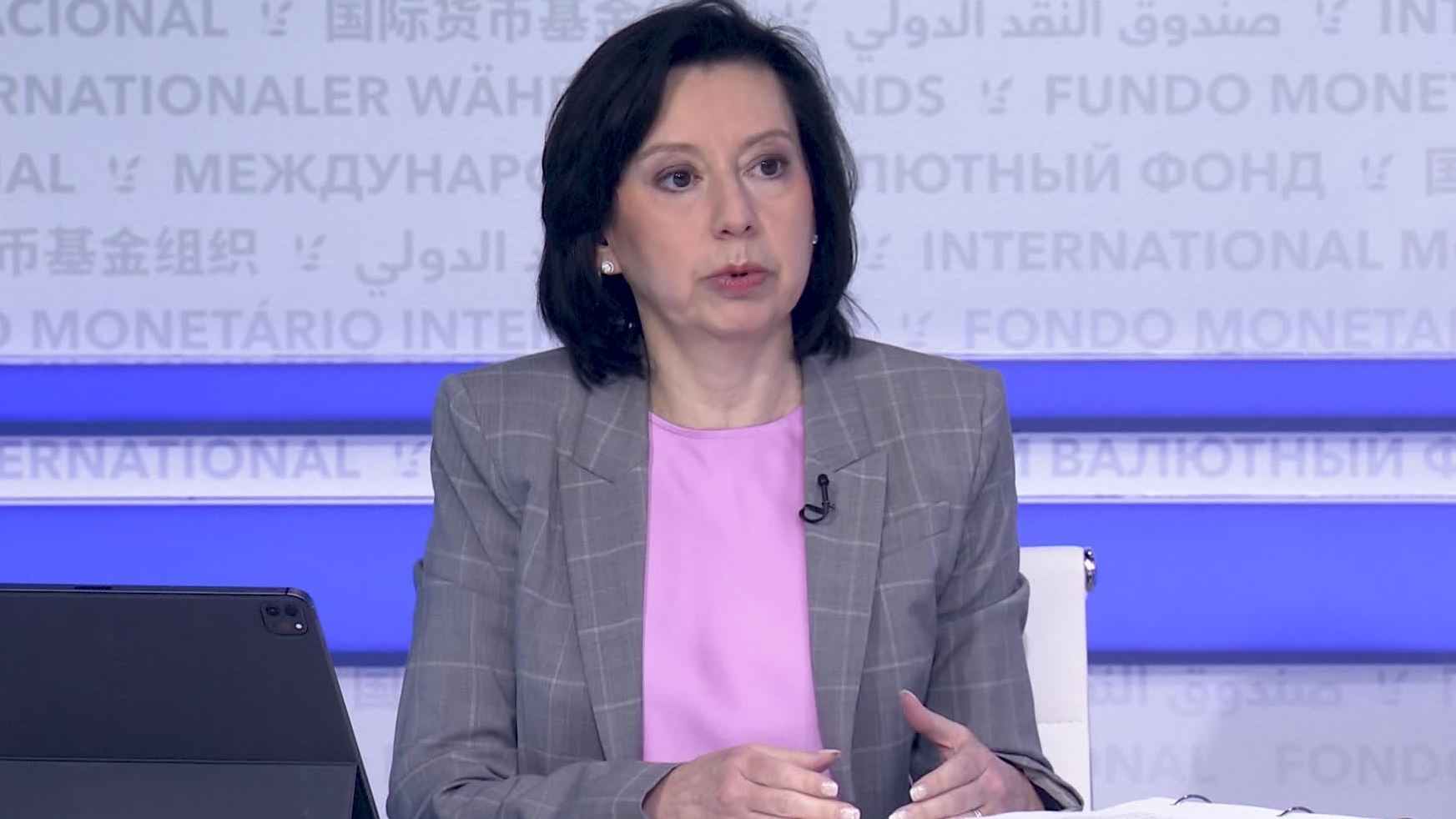
"Our new head of the African Department, Zeine Zidane, visited Senegal from July 3 through 6. He had discussions with President Faye, Prime Minister Lo, and the Senegalese authorities. And Mr. Zidane's visit follows a recent IMF staff visit, and it reflects our continued commitment to supporting the Senegalese authorities and their efforts to address their challenging debt situation. Discussions have remained focused on reaching a shared understanding of Senegal's financing needs and reform priorities that could underpin an IMF-supported program. Technical discussions between the authorities and our team are continuing." Said Julie Kozack, Director of the Communications Department, IMF.
Kozack also addressed questions about how the IMF is responding to economic fallout from the war in the Middle East.
"With respect to kind of IMF lending financing and our response to the war in the Middle East, it still is the case that most of our members are coming to us to ask for support in the form of policy advice and capacity development. It also is the case that many of the countries that we have assessed to be most vulnerable to the commodity price shock from the war in the Middle East, many of them already had IMF-supported programs. And so our support for them in terms of policy advice, a macroeconomic framework and financing is being done within the existing programs. And I think we've talked in the past about how in some cases, we have made adjustments to financing, either through augmentation or rephasing. And so that is still the way in which we are supporting our membership. But maybe just to restate the obvious, which is, of course, in an uncertain world, you know, we are ready to of course, use, you know, all of our tools to help support the membership in the way that they find most useful for them as they navigate these economic challenge." Explained Kozack.