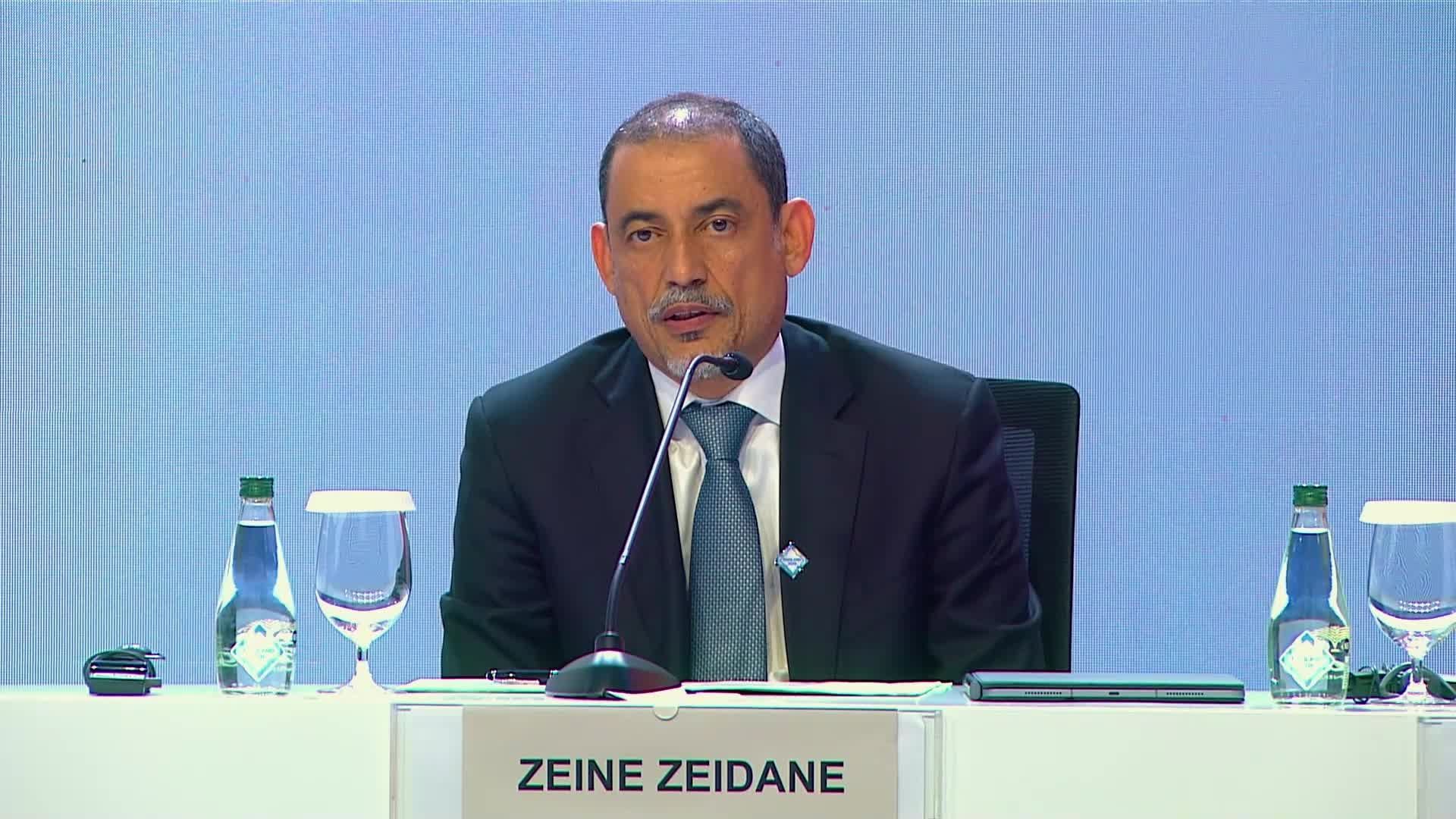
In a press briefing at the annual meeting in Bangkok, Thailand, Zeine Zeidane, Director of the African Department, IMF, warned that while reforms across the continent have helped African nations strengthen macroeconomic stability across the continent.
“Reforms in the region, such as subsidy reform and exchange rate reform in Ethiopia and Nigeria, structural reform in South Africa, have strengthened macroeconomic stability.
At the same time, global energy supplies have been rerouted. Inventories drawn down, and businesses have adapted their sourcing and logistics. But resilience is not immunity. The region the regional aggregate masks very different country experiences. Higher oil, copper and gold prices are cushioning some exporters. By contrast, growth is slowing in non resource intensive economies while their external deficits are widening.
Bilateral aid to the region is projected to fall by a further 12% this year after a steep decline last year. That leaves the region with little room to absorb another shock. Renewed disruption to energy supplies, a sharp increase in the global risk aversion or a strong El Niño could all intensify pressures. Conflict and insecurity remain an additional drag in part of the region.”
Zeidane went on to encourage governments to enact three priorities to protect the vulnerable, economic stability, and unlock investment and jobs.
“What should policy makers do in this context? I would emphasize three priorities. First, protect vulnerable households, but do so in a way that preserves scarce fiscal space.
Government should use other proxies such as school feeding or specially especially targeted support. Any temporary price relief should be transparently funded, capped, and time bound. Second, safeguard economic stability. Commodity exporters exporters should save most of their windfalls, including by repaying costly debt.
Countries facing high import bills should stay the course on fiscal adjustment, while protecting essential services and productive investment.
Where regime permit exchange rate flexibility can help absorb the shock and preserve reserves. Greater debt transparency and better debt management remain essential. Third, policymakers should not lose sight of growth and reforms that make economies more resilient to feature shock.
More reliable electricity, better digital connectivity, stronger skills, and a more predictable business environment can unlock private investment and jobs.
These reforms are especially important because the region still faces a large productivity gap relative to the other emerging and developing economies. Closing even a part of that gap would create substantial opportunities for stronger, more inclusive growth.”
To watch the full briefing, click here.