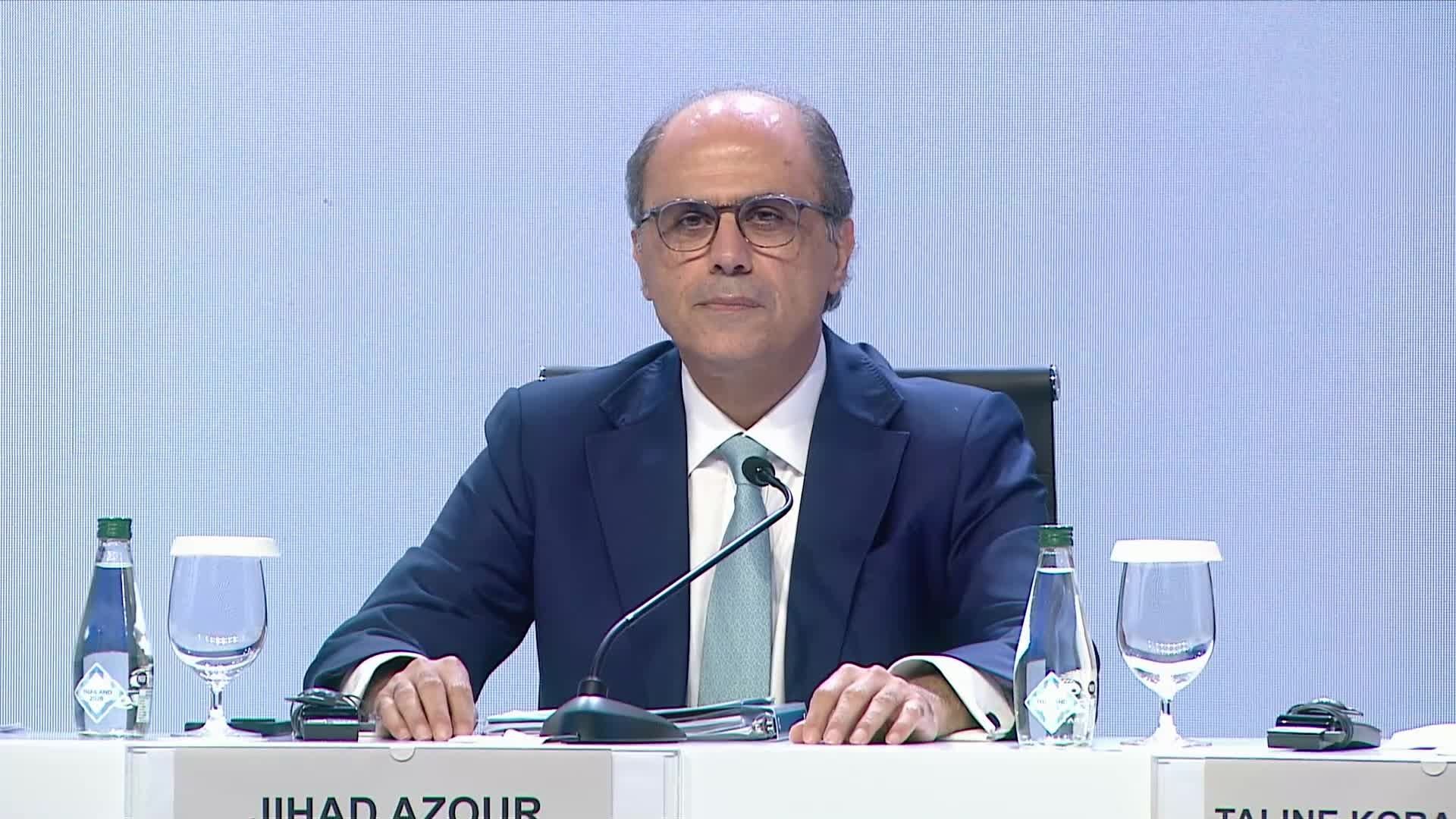
Jihad Azour, Director of the Middle East and Central Asia Department, of the IMF, said in a Press briefing held today, October 15, in Bangkok, Thailand, that while the war in the Middle East is unevenly impacting economies, government policies across the Middle East and Central Asia have been able to soften the impact on the poorest.
“The war in the Middle East is imposing a highly uneven shock to the economies of the region. The economy is directly affected by the conflict, are under severe pressure, while other MENAP economies and much of the Caucasus and Central Asia economies have shown greater resilience.
The outlook depends on how quickly energy production and trade normalize, and on country's ability to preserve macroeconomic stability. The context of output among almost all directly affected exporters fell sharply, while disruptions to shipping and refined sent fuel prices sharply higher. Yet, the impact was more contained than the scale initially suggested. Pre-war surpluses. Output from non Gulf producers. Alternative transport routes, adjustment in demand and substantial inventory drawdowns all helped cushion the blow.
By contrast, economic activity in MENAP oil importing economies has remained relatively resilient in 2026 and is expected to stay so. Remittances and tourism inflows. Accommodative financial conditions and government support has helped limit the immediate impact. This resilience has helped cushion the shock, but policy buffers are narrowing. Inflation is projected to rise moderately in 2026 before gradually easing thereafter.”
Azour continued that while a longer conflict posed higher risks, there are certain policy recommendations that could help countries withstand future shocks.
“This outlook remains subject to exceptionally high uncertainty. The most important risk is a more prolonged conflict.
Our recommendations are focused on three key directions. First, policymakers should continue to prioritize price stabilization while preserving fiscal sustainability where inflationary pressure emerge.
Monetary policy should remain the first line of defense. A tighter monetary stance and restraining liquidity needs to be complemented by prudent fiscal policy, particularly in countries with limited fiscal space. Second, rebuilding fiscal buffers remain essential across the region, giving persistent downside risk, and therefore policymaker options include stronger domestic revenue mobilization, more efficient spending, and robust financial frameworks. Policymakers should refrain from introducing broad based subsidies and instead aim to support the most affected through targeted, temporary and budget neutral cash transfers.
The third priority countries should continue building their capacity to withstand future shock. Recent experience underscores the importance of robust policy frameworks and countries with strong institutions, credible monetary framework backed by independent central banks and greater fiscal space are generally better position to absorb shocks. Trade diversification, deeper regional integration and stronger capacity to adapt new technologies, including artificial intelligence, can boost productivity and long term growth.
This is particularly particularly true when these measures are backed by reforms that enhance competitiveness.”
To watch the full briefing, click here.