
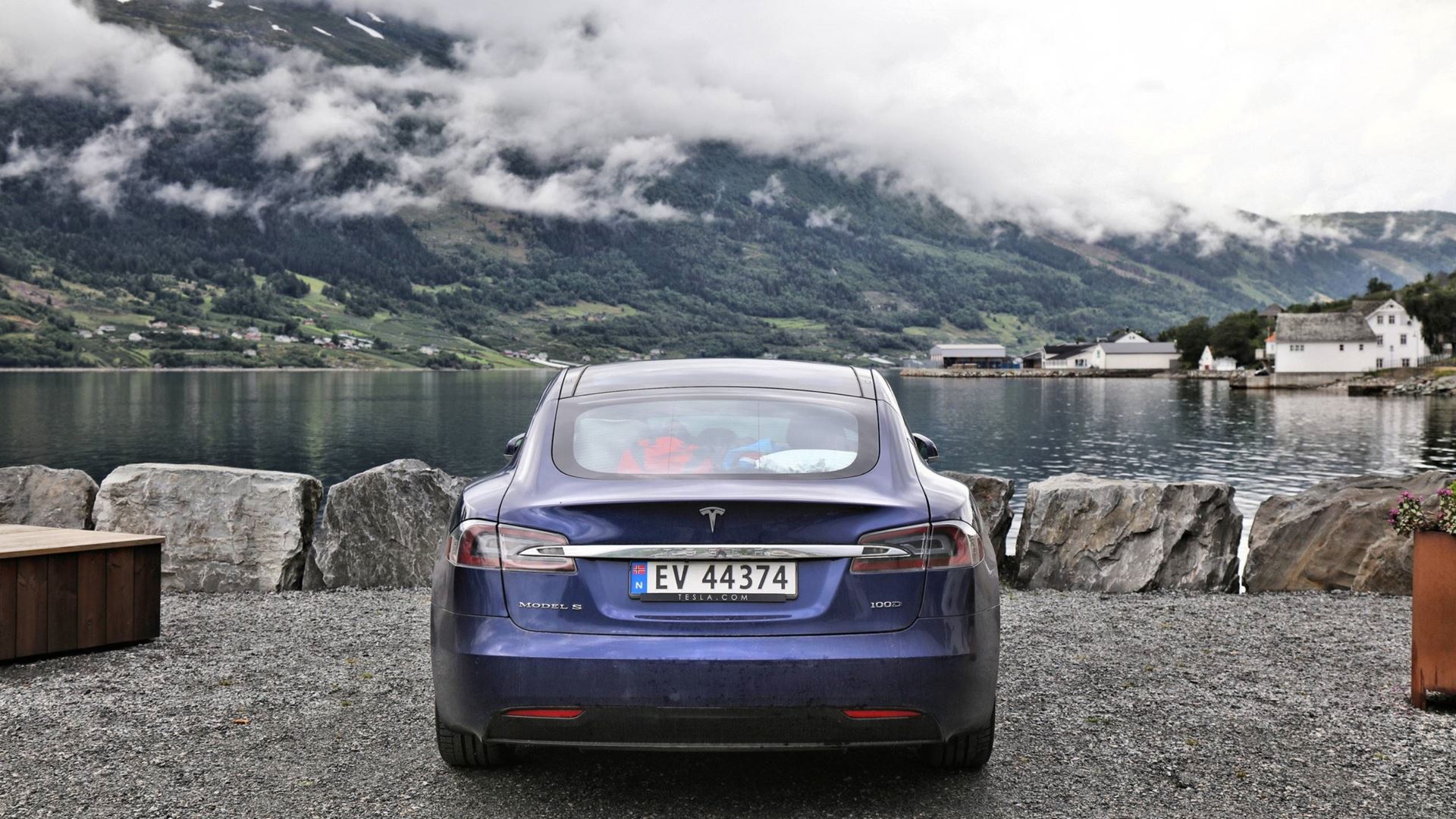
Norway has achieved what other car markets are still debating: electric cars are no longer a promise for the future there, but part of everyday life.
According to figures from the Norwegian automotive industry association OFV, 95.9 per cent of all newly registered passenger cars in 2025 were fully electric. By early 2026, the situation had become almost absurd: according to The Guardian, only seven new petrol cars were sold in January. Not seven per cent, but seven cars.
The obvious explanation would be that Norway is simply particularly green, particularly open to technology and particularly wealthy. All of that is true to some extent, but it does not explain enough. Christina Bu, Secretary General of the Norwegian EV Association, Norsk elbilforening, put it pointedly in an interview with TIME: Norway’s story showed that it was not really about people’s attitudes, but about “regulation, taxes, and incentives”. In an interview in The Guardian, she put it even more succinctly: “good tax policies”.
And that is also the core of the Norwegian model. The country did not simply ban combustion-engine cars. It structured the market in such a way that the electric car became the rational choice. New cars in Norway have traditionally been heavily taxed, including through purchase and import duties as well as VAT. For a long time, electric cars were exempt from these charges. At the same time, petrol and diesel models were made less attractive through CO2 and NOx-based tax components.
Norway did not simply ban combustion-engine cars. Instead, prices, everyday use and the overall ownership experience were gradually shifted in favour of electric cars: lower taxes, lower tolls, better access to charging and a clear political direction.
In The Guardian, Christina Bu describes this as a system of taxing and not taxing: rather than primarily offering direct purchase subsidies, Norway made polluting cars expensive and zero-emission cars inexpensive. This was complemented by benefits in everyday use: lower tolls, cheaper ferry fares, temporary access to bus lanes, municipal parking incentives and, since 2017, a “right to charge” for people living in multi-apartment buildings. Buying an electric car therefore meant buying not just a different type of powertrain, but a different package for everyday life. Step by step, policymakers reduced the impact of the biggest uncertainties: price, charging, range and access.
The result is normalisation. In Germany, electric cars are still often treated as an exception: as company cars, a product for idealists or an infrastructure problem. In Norway, it is now the combustion-engine car that is more likely to require explanation. Even in the sparsely populated north, the transition is working better than many critics had expected. In 2025, The Washington Post reported from Finnmark, an Arctic region characterised by long distances and harsh winters. There, electric cars had already achieved high market shares among new vehicles. One driver summed up the everyday argument simply: “It’s very cheap to drive.”
Continue reading on Gateway to Automotive.